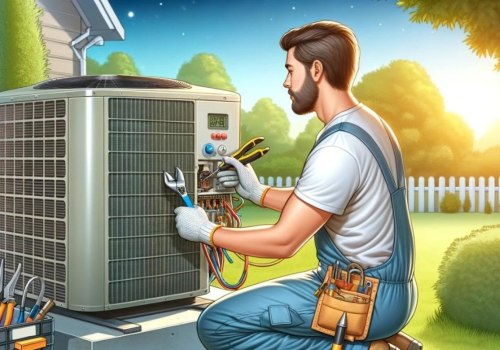
Seasonal HVAC maintenance plays a critical role in extending the lifespan of heating and cooling systems, ensuring they operate efficiently year-round. Many homeowners only pay attention to their HVAC units when problems arise, but proactive maintenance helps prevent unexpected breakdowns and costly repairs. By scheduling inspections at the start of each heating and cooling season, professionals can identify worn components, clean essential parts, and optimize system performance. This routine care reduces strain on the equipment, allowing it to function smoothly without overworking itself, which is a key factor in prolonging its overall lifespan.
Preventing Wear and Tear
One of the main benefits of seasonal maintenance is the prevention of excessive wear and tear on HVAC components. Over time, dust, debris, and normal usage can cause parts like filters, coils, and fans to become clogged or inefficient. When these components are not properly maintained, the system must work harder to achieve the desired temperature, leading to faster deterioration. Regular cleaning and timely replacement of parts help maintain proper airflow and system balance. In some cases, addressing related electrical concerns, such as outdated wiring, may also be necessary, which is why services like home rewiring in McKinney TX can complement HVAC maintenance by ensuring the system’s electrical foundation is reliable and safe.
Improving Energy Efficiency
Seasonal maintenance not only extends system lifespan but also enhances energy efficiency. A well-maintained HVAC system uses less energy to heat or cool a home, resulting in lower utility bills and reduced environmental impact. Tasks such as calibrating thermostats, checking refrigerant levels, and sealing duct leaks all contribute to improved efficiency. When the system operates under optimal conditions, it experiences less stress, which directly translates to a longer operational life. Homeowners who invest in regular maintenance often find that their systems perform more consistently and require fewer repairs over time.
Enhancing Indoor Air Quality
Another important advantage of seasonal HVAC maintenance is improved indoor air quality. Clean filters and ducts help remove dust, allergens, and other pollutants from the air, creating a healthier living environment. Neglected systems can circulate contaminants throughout the home, leading to potential health issues and discomfort. By keeping the system clean and properly maintained, homeowners can ensure that the air circulating in their home is fresh and safe. This added benefit further underscores the value of routine maintenance beyond just system longevity.
Detecting Issues Early
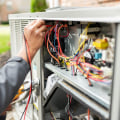
Early detection of potential problems is a key factor in extending the lifespan of HVAC systems. During seasonal inspections, technicians can identify minor issues such as loose connections, small leaks, or worn components before they escalate into major failures. Addressing these problems early not only prevents costly repairs but also minimizes downtime and inconvenience. This proactive approach ensures that the system remains reliable and efficient, even during periods of heavy use.
Long-Term Value and Reliability
Ultimately, seasonal HVAC maintenance is an investment in the long-term value and reliability of a home’s heating and cooling system. By reducing wear and tear, improving efficiency, and ensuring consistent performance, regular maintenance helps homeowners get the most out of their HVAC equipment. Systems that are properly cared for can last significantly longer than those that are neglected, saving money and providing peace of mind. With consistent attention and professional care, HVAC systems can continue to deliver comfort and efficiency for many years.