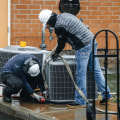
Seasonal HVAC Maintenance: The Role of Sealants
As a homeowner in Belgium, maintaining a comfortable indoor environment throughout the year is crucial. Seasonal HVAC maintenance plays a vital role in ensuring that your heating, ventilation, and air conditioning systems operate efficiently. While routine checks are essential, incorporating high-quality sealants into your maintenance routine can significantly enhance your system's performance and longevity.
Why Sealants are Essential for HVAC Systems
Sealants are crucial in preventing air leaks that can compromise the efficiency of your HVAC system. Air leaks force your system to work harder, leading to increased energy consumption and higher utility bills. By sealing these leaks, you not only improve system efficiency but also enhance indoor air quality and reduce environmental impact.
- Energy Efficiency: Properly sealed systems require less energy to maintain desired indoor temperatures.
- Cost Savings: Reduced energy consumption translates into lower heating and cooling costs.
- Improved Air Quality: Sealants prevent pollutants from entering the system, promoting healthier indoor environments.
Choosing the Right Sealant for Your HVAC System
When selecting sealants for your HVAC system, it's crucial to choose products that are specifically designed for HVAC applications. VDB Adhesives offers a range of professional-grade sealants that cater to various needs. Whether you're dealing with ductwork, window seals, or other potential leak points, selecting the right sealant can make a significant difference.
Q: What types of sealants are best suited for HVAC maintenance?
A: Silicone-based sealants are highly durable and flexible, making them ideal for HVAC applications. They provide excellent resistance to temperature fluctuations and environmental conditions.
Steps to Incorporate Sealants into Your Maintenance Routine
Incorporating sealants into your HVAC maintenance routine is straightforward and can be highly beneficial. Here are some practical steps to follow:
1. Conduct a Thorough Inspection
Begin by inspecting your HVAC system for potential leaks. Common areas include duct joints, around windows and doors, and any place where piping enters or exits the home. Identifying these areas is the first step towards effective sealing.
2. Clean and Prepare Surfaces
Before applying sealants, ensure that surfaces are clean and dry. Removing dust, dirt, and grease will help the sealant adhere better, providing a longer-lasting seal.
3. Apply the Sealant
Using a caulking gun, apply the sealant generously over the identified areas. Ensure even coverage and smooth it out with a tool or your fingers for a neat finish. The application should be consistent to avoid gaps that could allow leaks.
4. Allow Time to Cure
After application, give the sealant adequate time to cure. This step is essential for ensuring a strong, durable bond. Follow the manufacturer's instructions for curing times, which can vary depending on the product and environmental conditions.
Conclusion: Trust VDB Adhesives for Quality Sealants
Incorporating high-quality sealants into your seasonal HVAC maintenance routine can significantly enhance system efficiency, reduce costs, and improve indoor air quality. VDB Adhesives, a trusted name in Belgium, offers an extensive range of sealants designed specifically for HVAC systems. For more information or to inquire about our products, visit VDB Adhesives today.