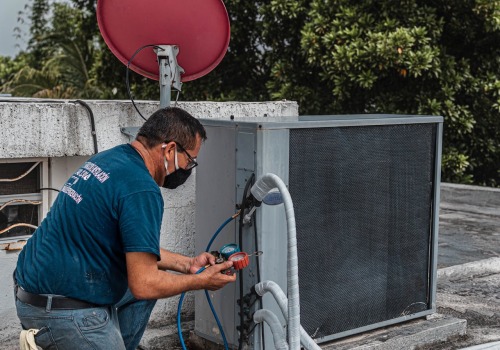
Heating and cooling systems work hard throughout the year to maintain comfortable indoor temperatures, and regular operation naturally creates wear on mechanical and electrical components. Seasonal HVAC maintenance gives homeowners an opportunity to identify developing concerns before periods of heavy heating or cooling demand begin. During a professional inspection, technicians can look for worn components, loose connections, airflow restrictions, drainage concerns, unusual system behavior, and other potential problems. A relatively minor issue may be easier and less expensive to address when discovered early. If overlooked, however, the same problem could place additional strain on other components and eventually contribute to a more complicated repair or unexpected system shutdown.
Preparing Equipment for Peak Seasons
HVAC systems often experience their greatest workload during the hottest and coldest months of the year. Scheduling maintenance before these peak seasons can help ensure equipment is prepared for increased demand. Cooling systems can be evaluated before summer, while heating equipment can be inspected before colder weather arrives. Professional service providers such as Beech Island Appliance Service Co. can be part of a homeowner's preventive maintenance approach by inspecting HVAC equipment and identifying conditions that may require attention. Preparing systems in advance can also reduce the likelihood of discovering a problem precisely when dependable heating or cooling is needed most.
Reducing Unnecessary System Strain
Dirty filters, clogged coils, blocked airflow, and other maintenance issues can force HVAC equipment to work harder than necessary. When a system operates under excessive strain, components may experience additional wear that can shorten their useful service life. Routine maintenance can include cleaning appropriate components, replacing or checking filters, inspecting electrical connections, and evaluating overall system operation. Homeowners can also contribute by keeping supply and return vents unobstructed and ensuring outdoor equipment remains clear of leaves, vegetation, and debris. These relatively simple steps can support better airflow and reduce avoidable stress on the system.
Improving Energy Efficiency
An HVAC system that is struggling to operate properly may consume more energy while providing less consistent comfort. Seasonal maintenance helps address certain conditions that can reduce efficiency, allowing equipment to operate more effectively. Technicians may check thermostat operation, airflow, system controls, and other components that influence performance. While energy consumption depends on several factors, including weather, home insulation, equipment age, and household preferences, keeping HVAC equipment properly maintained can support more efficient operation and help homeowners avoid unnecessary energy waste.
Protecting Major HVAC Components
Heating and cooling systems contain expensive components that depend on one another to function correctly. A problem affecting one part of the system can sometimes create additional stress elsewhere. For example, restricted airflow may contribute to performance problems that affect multiple components. Seasonal inspections provide an opportunity to recognize these relationships and address underlying concerns before they lead to more extensive damage. Preventive care can be especially valuable for older equipment that may require closer monitoring as components age.
Maintaining Reliable Indoor Comfort
Unexpected HVAC failures are inconvenient at any time, but they can be particularly disruptive during extreme temperatures. Seasonal maintenance cannot eliminate every possibility of a breakdown, yet it can improve the chances of identifying warning signs beforehand. Homeowners should also pay attention to unusual noises, inconsistent temperatures, weak airflow, frequent cycling, unexpected odors, or sudden increases in energy use. Reporting these changes promptly can help technicians investigate potential causes before conditions worsen.
Making Maintenance a Seasonal Routine
Preventing costly HVAC repairs often depends on consistency. Rather than waiting until equipment stops working, homeowners can schedule inspections around seasonal changes and perform basic maintenance throughout the year. Following manufacturer recommendations, replacing filters when necessary, monitoring system performance, and arranging professional evaluations can help protect heating and cooling equipment. A preventive approach allows small concerns to be addressed sooner, supports efficient operation, and may extend equipment life. By making seasonal HVAC maintenance a regular part of home care, homeowners can reduce avoidable repair risks while maintaining dependable comfort throughout the year.