Seasonal HVAC maintenance is essential for homes with modern electrical and plumbing systems, as these interconnected components must work together to maintain comfort and efficiency throughout the year. As temperatures shift between seasons, HVAC systems experience increased demand, making regular maintenance a critical step in preventing breakdowns and ensuring consistent performance. Homeowners who take a proactive approach to seasonal upkeep can avoid costly repairs, improve energy efficiency, and extend the lifespan of their systems. By addressing maintenance needs before peak usage periods, it becomes easier to keep the home running smoothly regardless of weather conditions.
Inspecting Electrical Components for Reliable Operation
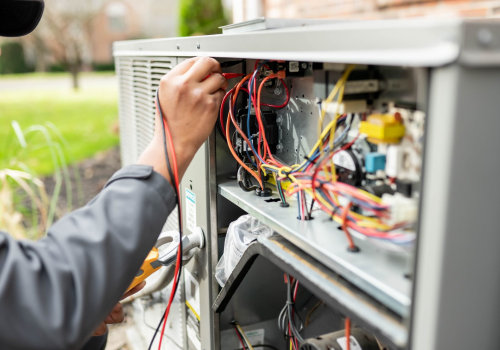
Modern HVAC systems rely heavily on electrical components such as thermostats, control boards, and wiring to function properly. Seasonal maintenance should include checking these elements for signs of wear, loose connections, or potential overloads. Faulty electrical components can lead to inconsistent heating or cooling, system shutdowns, or even safety hazards. Ensuring that circuits are stable and capable of handling increased demand is especially important in homes with advanced electrical setups. Partnering with experienced professionals like Abacus Plumbing, Air Conditioning, & Electrical can help ensure that electrical systems are thoroughly inspected and maintained, supporting reliable HVAC performance.
Maintaining Proper Drainage and Plumbing Connections
HVAC systems often generate condensation, which must be properly drained to prevent moisture buildup and potential damage. Seasonal maintenance should include inspecting drain lines, clearing blockages, and ensuring that all plumbing connections are secure. Clogged or damaged drain lines can lead to leaks, mold growth, and reduced system efficiency. In homes with integrated plumbing systems, it’s important to address these issues promptly to maintain a healthy indoor environment. Regular maintenance of these components helps prevent water-related problems and ensures that the HVAC system operates as intended.
Replacing Filters and Cleaning Components
Air filters play a crucial role in maintaining indoor air quality and HVAC efficiency. Over time, filters can become clogged with dust, debris, and allergens, reducing airflow and forcing the system to work harder. Seasonal maintenance should include replacing or cleaning filters to ensure optimal performance. Additionally, cleaning vents, ducts, and coils helps improve airflow and prevent the buildup of contaminants. A clean HVAC system not only operates more efficiently but also contributes to a healthier living environment by reducing airborne particles.
Optimizing System Efficiency for Each Season
Different seasons place different demands on HVAC systems, making it important to adjust settings and perform targeted maintenance. In warmer months, ensuring that cooling systems are functioning efficiently helps maintain comfortable indoor temperatures while minimizing energy use. During colder months, heating systems must be checked for proper operation and safety. Smart thermostats and energy management systems can further enhance efficiency by adjusting settings based on usage patterns. By optimizing the system for each season, homeowners can achieve consistent comfort while reducing energy costs.
Ensuring Long-Term Performance and Comfort
Ultimately, seasonal HVAC maintenance is a key factor in maintaining the performance and reliability of homes with modern electrical and plumbing systems. By inspecting electrical components, maintaining proper drainage, and keeping the system clean, homeowners can prevent common issues and ensure that their HVAC systems operate efficiently year-round. This proactive approach not only enhances comfort but also protects the investment in home infrastructure. With regular maintenance and attention to detail, it’s possible to create a living environment that remains comfortable, efficient, and dependable through every season.